

-
6 mins read
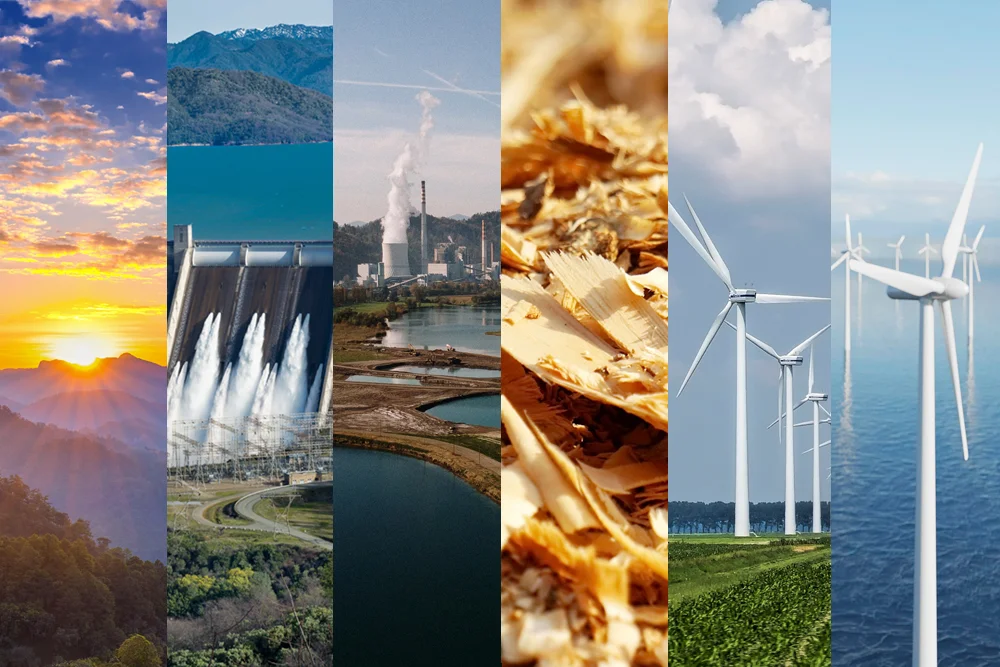
The world is changing fast, isn’t it? From the way we communicate to the way we travel, technology seems to be evolving overnight. But perhaps the most crucial transformation is happening in the way we produce and consume energy. The next decade is poised to be a tipping point for renewable energy, and if you’ve ever wondered which sources will dominate our grids and rooftops, you’re in the right place. Let’s dive deep into the renewable energy sources that will shape our future.
Why Renewable Energy Is No Longer Optional
First, let’s tackle the big question: why bother with renewable energy at all? The answer is simple: our planet can’t keep up with fossil fuels. Coal, oil, and natural gas have powered industrial growth for centuries, but they’ve left us with climate change, air pollution, and dwindling resources. Renewable energy isn’t just a trendy choice; it’s an urgent necessity. By investing in sustainable energy sources now, we’re safeguarding both our environment and our economies.
Solar Energy: Harnessing the Sun’s Infinite Power
Solar energy has been around for decades, but it’s entering a golden age. Advances in photovoltaic cells mean that solar panels are now more efficient, affordable, and durable than ever. Imagine capturing the sun’s energy from your rooftop to power your home – that’s no longer science fiction; it’s reality. With solar farms expanding worldwide and innovations like floating solar panels and solar-integrated windows, the next ten years will see solar energy becoming a staple of global electricity production.
Wind Energy: Catching the Power of the Breeze
Wind energy is like Mother Nature’s own power plant. Turbines, spinning gracefully against the horizon, convert wind into electricity without producing a single gram of greenhouse gas. Offshore wind farms, in particular, are gaining momentum. Why offshore? Because winds over oceans are stronger and more consistent. Countries like the UK, China, and the U.S. are investing heavily in offshore wind, and by 2035, we could see wind energy providing a substantial portion of global electricity.
Hydropower: The Old Guard of Renewable Energy
Hydropower isn’t new, but it’s evolving. Traditional dams have powered cities for decades, but modern hydropower focuses on sustainability and minimal ecological disruption. Run-of-the-river systems, small-scale hydro, and pumped storage are redefining what hydropower can do. It’s reliable, efficient, and perfect for balancing intermittent sources like solar and wind. In short, hydropower remains a key player in the renewable mix.
Geothermal Energy: Tapping Into Earth’s Inner Heat
Geothermal energy may sound like a niche option, but it’s quietly revolutionizing the energy sector. By tapping into the Earth’s natural heat, geothermal plants provide consistent, 24/7 electricity – no clouds, no wind, just reliable power. Countries like Iceland and the Philippines are leading the way, showing us that geothermal energy isn’t just feasible; it’s incredibly efficient. And with new drilling technologies and enhanced geothermal systems, this form of energy will expand beyond volcanic regions.
Biomass Energy: Turning Waste Into Power
Biomass is essentially nature’s recycling program. Organic materials like agricultural waste, wood, and even food scraps are converted into electricity, heat, or biofuels. This isn’t just about managing waste; it’s about creating a sustainable energy loop. Biomass energy can be decentralized, making it ideal for rural communities and developing regions. With advancements in bio-digestion and gasification, biomass is set to become a major player in the renewable landscape.
Tidal and Wave Energy: The Ocean’s Hidden Potential
If you’ve ever watched the ocean, you know it’s powerful. Tidal and wave energy technologies aim to capture that immense force. Tidal energy uses the gravitational pull of the moon to generate electricity, while wave energy harnesses the motion of the ocean’s surface. These sources are predictable, reliable, and environmentally friendly. While still in the early stages compared to solar and wind, ongoing research and pilot projects suggest oceans could power coastal communities in the next decade.
Hydrogen: The Fuel of the Future
Hydrogen is turning heads in the energy world. Not all hydrogen is created equal, though. Green hydrogen, produced using renewable energy, is the most promising. It can store energy, power vehicles, and even replace natural gas in industrial processes. Think of hydrogen as a versatile energy carrier – it doesn’t just produce power; it stores it, moves it, and converts it into usable fuel. The next decade could see hydrogen pipelines and fueling stations becoming as common as electric vehicle chargers.
Energy Storage: Making Renewables Reliable
One of the biggest challenges of renewable energy is intermittency – the sun doesn’t always shine, and the wind doesn’t always blow. That’s where energy storage comes in. Lithium-ion batteries have been the go-to solution, but new technologies like solid-state batteries, flow batteries, and even gravity-based storage are on the rise. Efficient storage systems ensure that renewable energy can be dispatched whenever it’s needed, making solar, wind, and even tidal energy far more reliable.
Smart Grids: The Brain Behind Renewable Energy
Imagine an energy system that thinks for itself, distributing electricity where it’s needed most, predicting demand, and avoiding waste. That’s a smart grid. With advanced sensors, AI, and real-time data, smart grids will become crucial in managing diverse renewable sources. They’ll optimize energy distribution, reduce blackouts, and even allow households to sell excess energy back to the grid. It’s not just about producing energy; it’s about managing it intelligently.
Electric Vehicles and Renewables: A Symbiotic Relationship
Electric vehicles (EVs) are more than just a transportation trend – they’re a key component of a renewable-powered future. EVs act as mobile energy storage units, and when paired with home solar panels or smart charging systems, they can help stabilize the grid. As EV adoption accelerates, we’ll see a positive feedback loop: more renewable energy production supports more EVs, which in turn supports more renewables.
Decentralized Energy: Power to the People
Centralized power plants have long dominated the energy landscape, but decentralization is the future. Rooftop solar, community wind projects, and local microgrids empower individuals and communities to produce their own energy. This isn’t just environmentally smart; it’s economically empowering. Decentralized systems reduce transmission losses, increase resilience against outages, and give people more control over their energy bills.
The Role of Policy and Incentives
Technology alone can’t drive the renewable revolution – policy plays a huge role. Governments worldwide are introducing incentives, subsidies, and regulations to accelerate adoption. Tax credits for solar installations, feed-in tariffs for wind power, and grants for energy storage projects are making renewables more accessible than ever. In fact, countries with strong renewable policies are already seeing massive economic benefits alongside environmental gains.
Investment Trends in Renewable Energy
Investors are catching on fast. Global renewable energy investments have reached record highs, and venture capital is flowing into innovative technologies like green hydrogen, advanced batteries, and wave energy. This influx of capital is crucial because scaling up these technologies requires money, research, and infrastructure. The next decade promises both exciting breakthroughs and lucrative opportunities for those willing to invest.
Challenges Ahead and How We Can Overcome Them
Of course, no transition is without hurdles. Intermittency, land use, raw material shortages, and public acceptance are all challenges facing renewable energy. But human ingenuity is remarkable. By combining multiple renewable sources, investing in storage, and embracing smart grids, we can overcome these obstacles. It’s about thinking holistically – energy isn’t just a commodity; it’s a system, and we’re learning to optimize it.
The Future Is Bright: A Renewable-Powered World
Looking ahead, the next decade will be transformative. Solar panels glinting on rooftops, wind turbines dotting the coasts, and hydro plants quietly powering cities will become the norm. Energy storage will ensure uninterrupted supply, smart grids will manage demand seamlessly, and innovations like hydrogen and tidal energy will add layers of flexibility. The shift isn’t just technological – it’s cultural. We’re moving toward a world where energy is cleaner, smarter, and more equitable.
Conclusion
Renewable energy is no longer a futuristic concept – it’s here, and it’s growing faster than ever. Solar, wind, hydro, geothermal, biomass, tidal, and hydrogen will dominate the energy landscape in the next decade. Combined with smart grids, energy storage, and supportive policies, these technologies promise a future that’s not only sustainable but also economically vibrant and resilient. The next ten years aren’t just about powering homes and businesses; they’re about powering a global transformation that benefits everyone.
Share:

Behzad Azand
I’m Behzad Azand, an SEO and website design instructor. If you’re interested in advertising services, SEO, or guest posting on this site, please contact the Telegram account below:
@hanet_support
Weekly trending

How do I know if my startup will be profitable?
November 19, 2025
- 6 mins read

How to Turn a Simple Idea Into a Profitable Startup
November 19, 2025
- 6 mins read
Top Financial Management Apps for Modern Life
November 19, 2025
- 6 mins read

How to Learn New Skills in Just 30 Minutes a Day
November 19, 2025
- 6 mins read
AI vs Humans: Who Will Lead the Future?
November 19, 2025
- 6 mins read